
Every journey reflects the positive impact of compassionate, person-centred care. The following anonymised case studies highlight how individuals have rebuilt confidence, improved wellbeing and moved towards greater independence through the support provided by Krish Care.
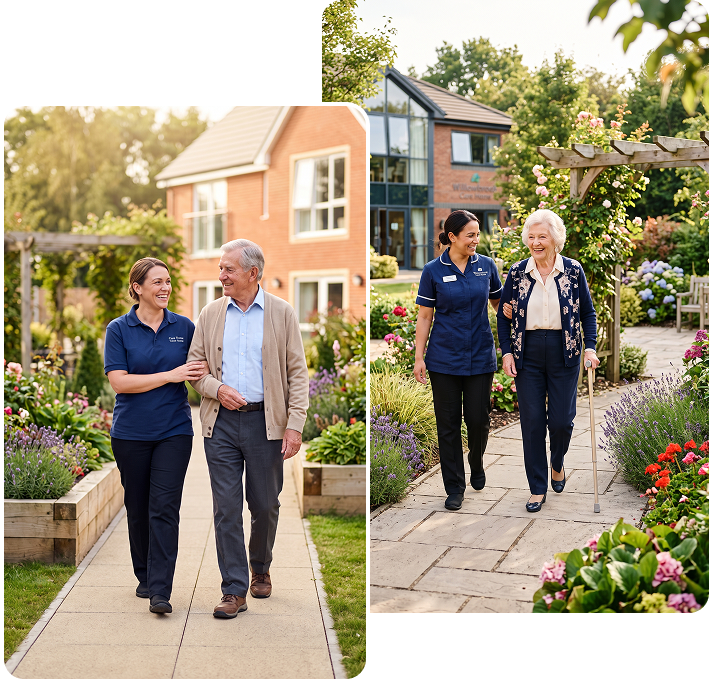
Restoring dignity after years of severe self-neglect
Situation: An adult came to the service after a prolonged period in which mental ill-health, severe self-neglect and an entrenched pattern of street begging had overtaken daily life. Personal hygiene, grooming, clothing and ordinary routines had been neglected for a considerable time, and the person had little trust in support.
Our approach: Staff did not respond with criticism, shame or unrealistic demands. A consistent team built trust, offered choices about timing and personal-care products, provided clean clothing and broke goals into small, manageable stages. Progress was encouraged calmly and respectfully, with attention to privacy and dignity.
Outcome: Within several weeks, the person was engaging with personal care, changing clothing, taking greater pride in appearance and participating more consistently in daily routines. People who had known the person previously commented that the positive change was so striking that they barely recognised the healthier, more confident presentation.
What this demonstrates: Respectful relationships, consistency and achievable goals can help a person regain dignity and self-belief even after very prolonged self-neglect.
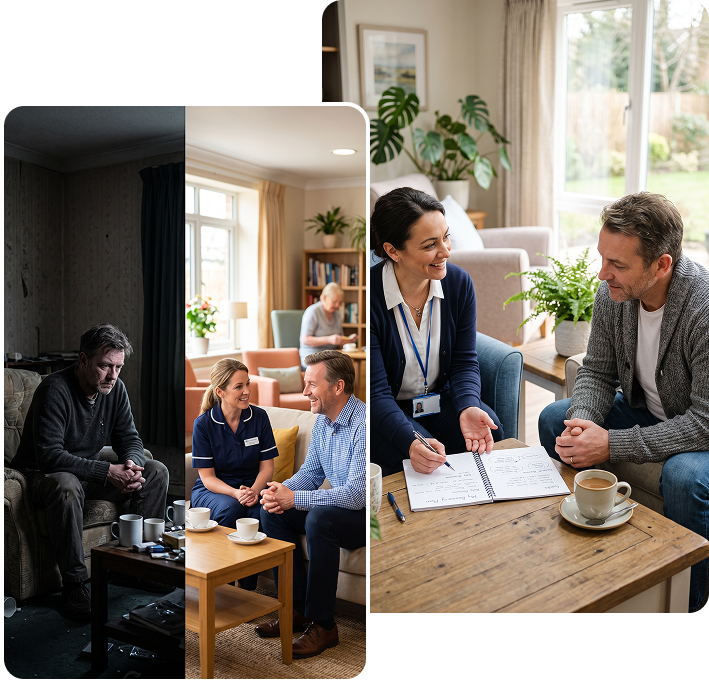
From harmful alcohol use to sustained recovery
Situation: A person arrived with a long history of alcohol dependence, disrupted routines, risks to physical health and repeated instability. Alcohol use had become closely linked with isolation, emotional distress and a lack of meaningful daily structure.
Our approach: The team agreed recovery goals with the person, supported engagement with specialist services and health appointments, helped identify triggers, strengthened nutrition and sleep routines, encouraged meaningful activity and developed a plan for responding to cravings or lapse. Support remained non-judgmental while maintaining clear boundaries and safeguarding measures.
Outcome: The person reduced harmful drinking and subsequently achieved a sustained period without alcohol during the verified period recorded by the service. Physical presentation, engagement, routine and confidence improved.
What this demonstrates: Recovery is strengthened when stable accommodation, trusted relationships, physical-health support and specialist treatment work together.

Moving away from harmful drug use
Situation: An adult had experienced harmful drug use alongside mental-health needs, financial instability and difficulty maintaining a safe routine. Previous support had been disrupted by missed appointments and periods of disengagement.
Our approach: Staff maintained consistent contact, supported re-engagement with specialist services, helped the person recognise triggers and high-risk situations, promoted safer money management and developed alternative activities. A relapse-prevention plan identified warning signs, professional contacts and practical responses.
Outcome: The person achieved a verified period free from the substance of concern, improved attendance at appointments and became more consistent in daily routines. Mood, sleep, use of money and relationships also showed positive changes.
What this demonstrates: Recovery-focused social care can create the stability in which specialist treatment, healthier routines and personal motivation are more likely to succeed.

Improved mental wellbeing after a difficult placement
Situation: A person transferred from another care setting while experiencing significant distress, mistrust, reduced engagement and unsettled behaviour. Family members were worried that the person’s mental wellbeing and quality of life had deteriorated.
Our approach: A small, consistent staff team learned the person’s communication, preferences, early-warning signs and effective calming approaches. Predictable routines, meaningful choice, medication and appointment support, family involvement and regular professional communication were incorporated into the plan.
Outcome: The person became more settled, engaged more positively with staff and daily life, and showed a visible improvement in emotional wellbeing. Family members provided positive feedback about the change they observed.
What this demonstrates: A calm environment, consistent relationships and individualised support can make a substantial difference when a previous placement has not met the person’s needs.
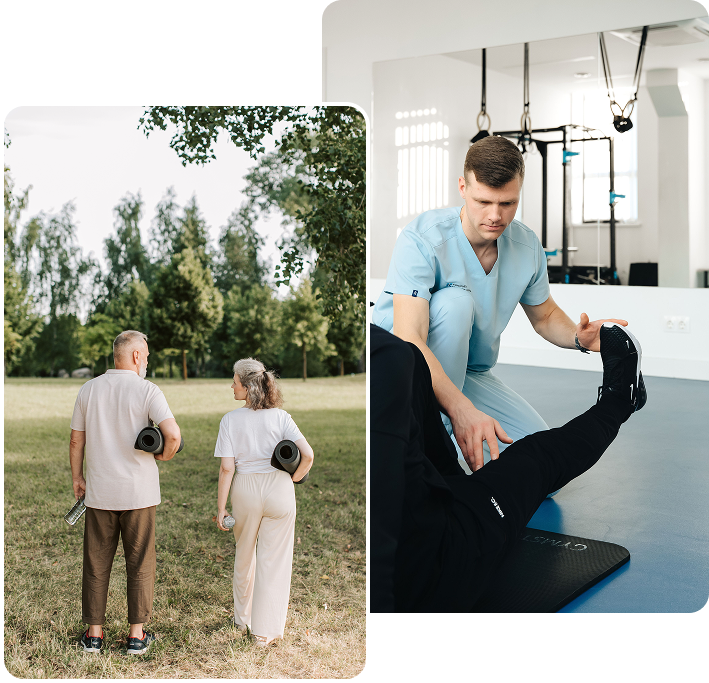
Rebuilding physical health, mobility and confidence
Situation: A person entered the service with reduced physical confidence, poor engagement with health care and difficulty participating in ordinary activities. Physical health concerns were also affecting mood, independence and social participation.
Our approach: Staff supported GP and specialist appointments, followed professional advice, encouraged nutrition and hydration, assisted with agreed exercise or mobility routines and monitored changes. Tasks were graded so the person could participate rather than becoming unnecessarily dependent.
Outcome: The person became more engaged with health care, increased participation in daily activities and showed improved confidence in mobility and self-care.
What this demonstrates: Physical and mental wellbeing should be addressed together, with social-care support reinforcing clinical and therapy advice.

A successful step-down to greater independence
Situation: A person initially required 24-hour support because of mental-health instability, reduced practical skills and risk of placement breakdown. The long-term aspiration was to live with less support, but an immediate move would not have been safe or sustainable.
Our approach: A gradual skills plan addressed cooking, shopping, budgeting, medication, travel, appointments, household safety, early-warning signs and how to request help. Support was reduced only when progress was consistent and risks were understood. The person, commissioner and professionals reviewed each stage.
Outcome: The person progressed from a higher-support environment to supported living, then to a lower level of support and ultimately to a more independent living arrangement. Insert the verified pathway and timescale for the chosen case.
What this demonstrates: Successful move-on depends on evidence, preparation and the right community support, not pressure to reduce costs or meet an artificial deadline.
WhatsApp us